
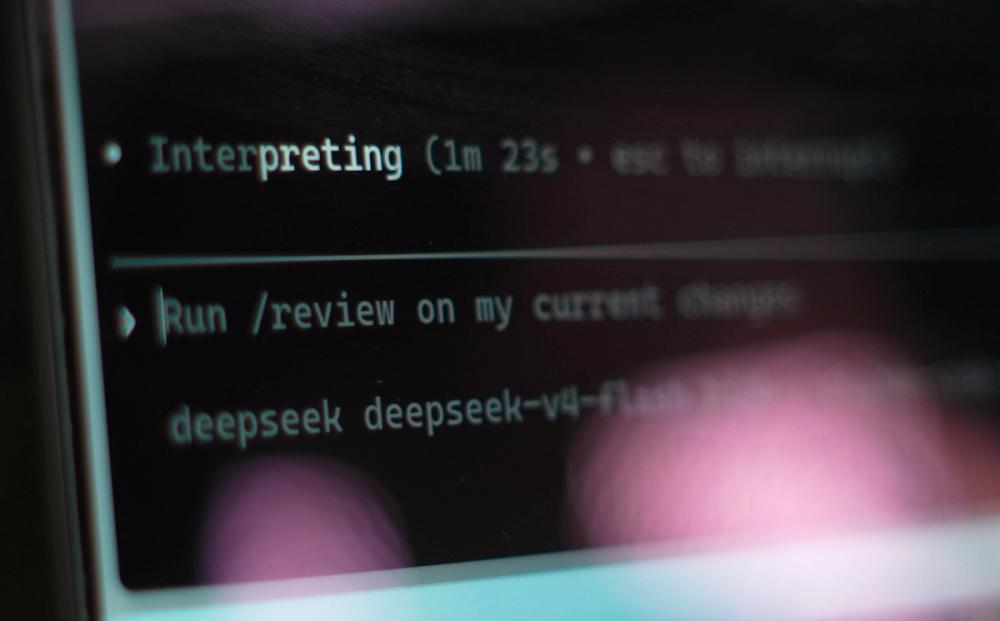
Open Interpreter is a high-performance coding agent built in Rust, specifically engineered to maximize the capabilities of cost-effective open-source models such as Kimi K3. Serving as a robust alternative to proprietary tools, it emulates the agent harnesses that yield the best results from budget-friendly LLMs, providing a seamless, Codex-like interface for developers. The platform prioritizes portability and standards compliance, supporting the Agent Client Protocol (ACP), MCP, and shared AGENTS.md instructions to integrate effortlessly into existing workflows without locking users into a specific ecosystem. Key features include native sandboxing for secure command execution across macOS, Linux, and Windows, and a built-in QA skill that enables the agent to drive and test web and native applications using tools like agent-browser and trycua. Developers can easily switch providers and models via the terminal UI or configure the client to launch the interpreter directly within ACP-compatible editors. For teams already using OpenAI's Codex SDK, Open Interpreter offers a one-line binary override to maintain compatibility while leveraging open models. This tool is ideal for developers seeking a flexible, open-source alternative for coding assistance, automated testing, and agent development that avoids vendor lock-in and reduces API costs.

Open Interpreter
A Rust-based coding agent optimized for low-cost open models like Kimi K3, offering Codex-compatible interfaces and multi-harness support.
Introduction
Decision Card
Quick Verdict
Consider Open Interpreter when your workflow matches AI Agent Development, AI Code Assistant, Large Language Models (LLMs) and you want to validate the fit before committing to a paid stack.
Best For
- AI Agent Development
- AI Code Assistant
- Large Language Models (LLMs)
Not For
- Highly regulated data without a privacy review
- Workflows that require exact deterministic output
Best Uses
Pricing Snapshot
Check the current pricing page before buying because AI tool limits and plans change often.
If a free tier exists, use it to test output quality, export limits, and workflow fit first.
Pros
- Clear task fit
- Can reduce manual work
- Good candidate for side-by-side testing
Cons
- Pricing and limits may change
- Output quality depends on prompts and source material
- Commercial and privacy terms need review
Quick Start Prompt
I want to evaluate Open Interpreter for this task: [describe your task]. Compare the free path, paid path, setup steps, expected output quality, privacy risks, and alternatives.
Alternatives
Compare
Information
- Websitegithub.com
- Published date2026/08/29
Categories
- AI Agent Development
- AI Code Assistant
- Large Language Models (LLMs)
More Products


Clone any website from a URL into editable React + Tailwind code, rebrand it in your browser, and export production-ready source.


ClipTrend.ai is an AI-powered video generation platform that transforms photos and prompts into viral short-form videos using trending templates and multiple AI